 English
 中文简体
中文简体

The inextricable link between polo shirts and the technical evolution of ribbed knitwear
As a classic staple of the modern wardrobe, the polo shirt’s history and design evolution blend sporting functionality, fashion aesthetics and innovations in textile technology
Origins: Tennis
Late 19th century:
The polo shirt originated as tennis attire. At the time, tennis players wore long-sleeved shirts and ties, which restricted their movement. In 1926, French tennis champion René Lacoste designed a short-sleeved, breathable and comfortable top to replace the traditional attire
1929:
Lacoste collaborated with a textile manufacturer to launch the first polo shirt featuring the crocodile logo. The crocodile logo was inspired by his nickname, ‘The Crocodile’.
Mid-20th century:
The polo shirt gradually evolved from sportswear into everyday casual wear. In the 1950s, the American brand **Fred Perry** launched a polo shirt featuring a laurel wreath logo, which became a symbol of British Mod culture.
The 1960s–1970s:
In 1967, Ralph Lauren launched the ‘Polo Ralph Lauren’ collection, combining the polo shirt with high-end fashion to establish it as a classic staple.
The Evolution of Ribbed Knit Fabric in Polo Shirts
Early Limitations (Before the 1940s):
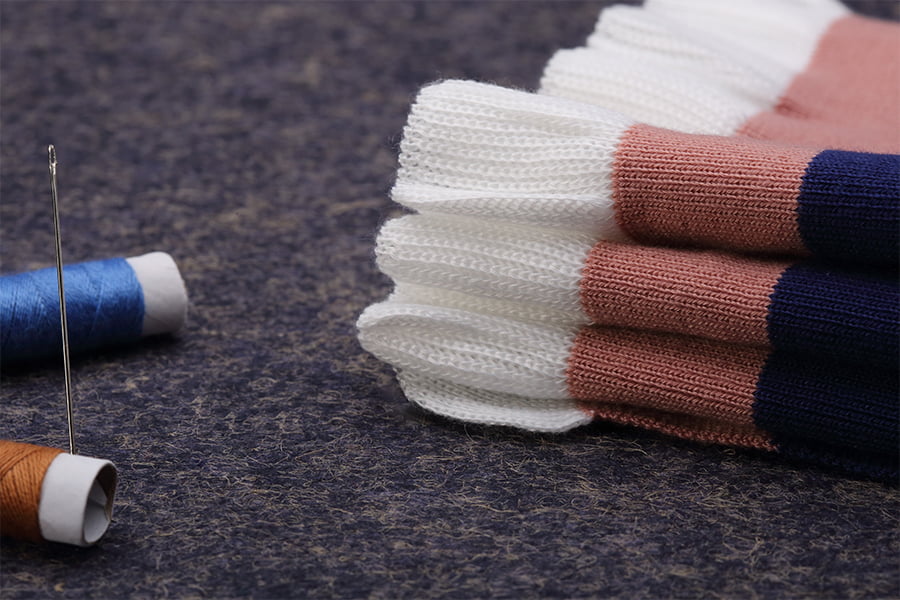
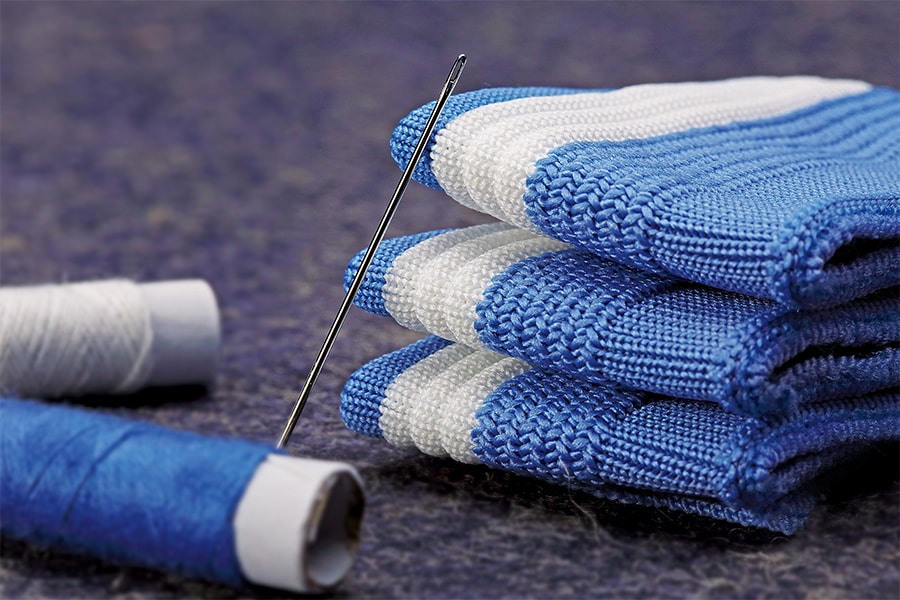
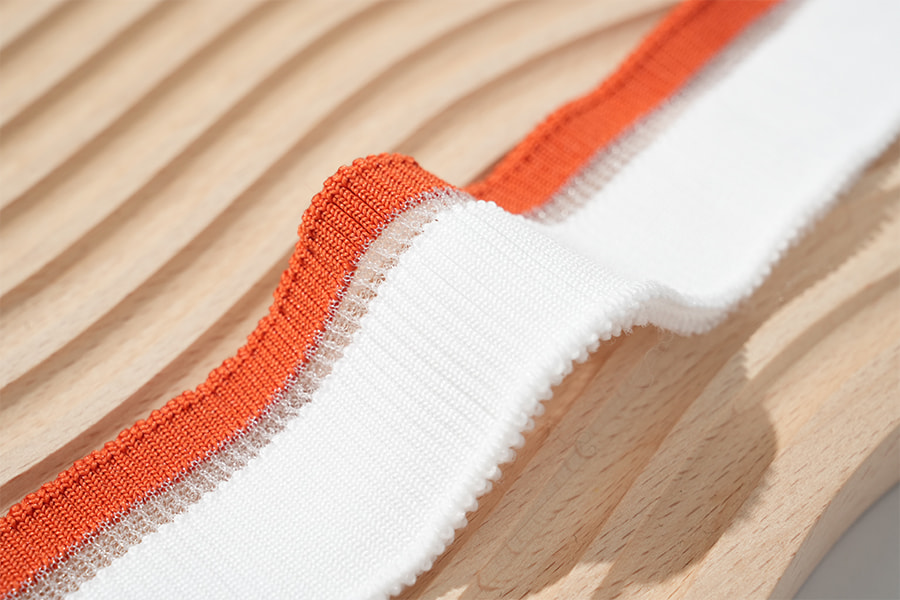
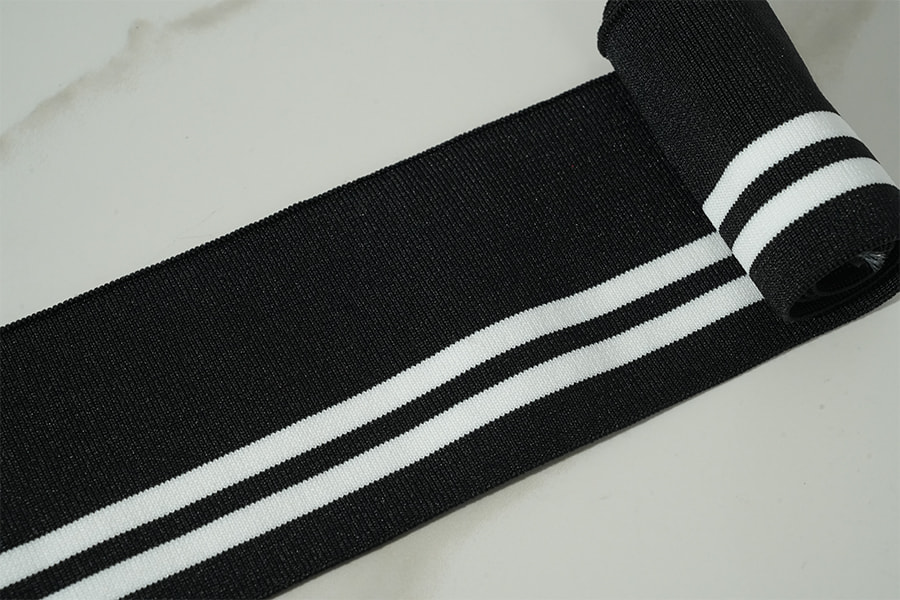
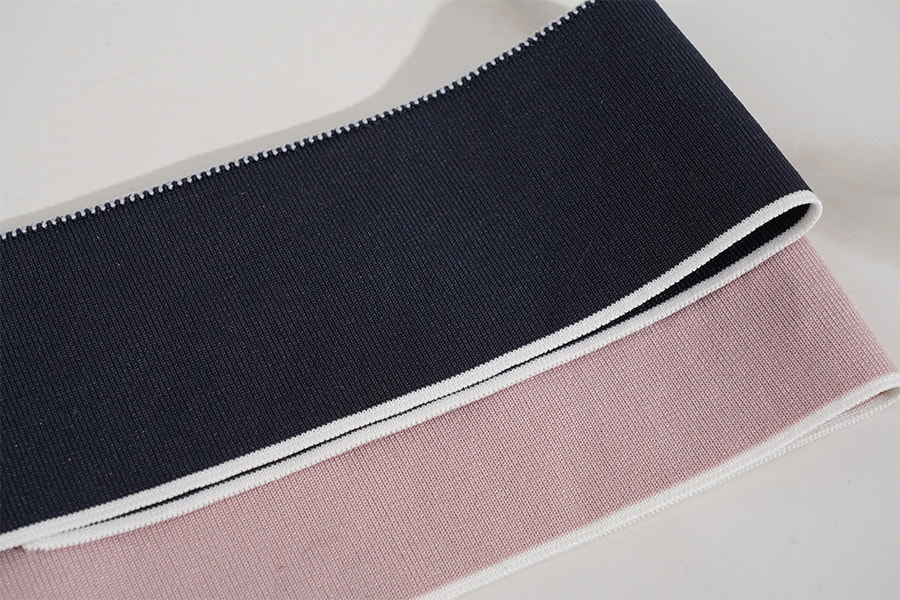
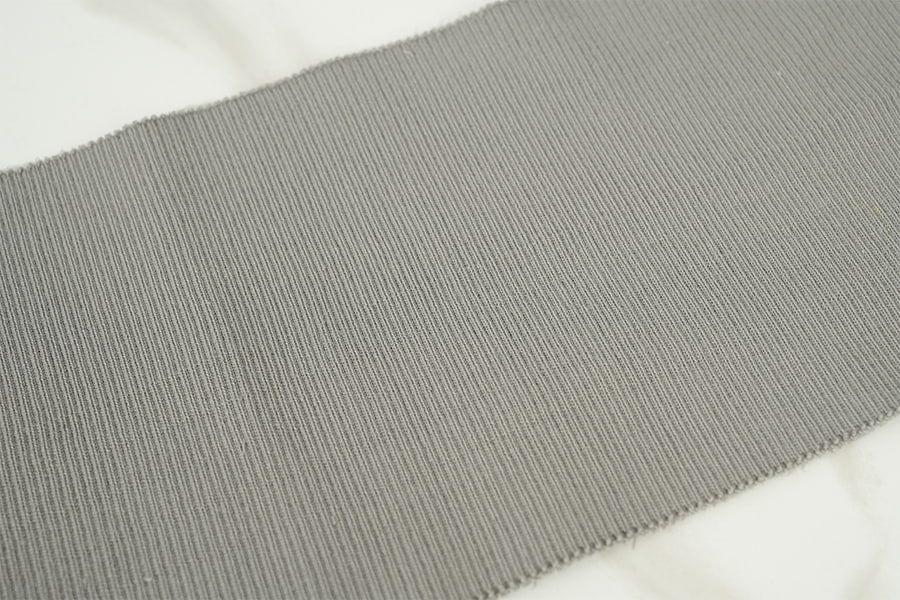
Traditional ribbed fabric was primarily used for cuffs, collars and hem trims, as using ribbed fabric for the entire garment was costly and prone to
losing its shape
Technological Breakthrough (1960s):
The widespread adoption of double-needle circular knitting machines led to the maturation of ribbing-seam technology, enabling brands to apply ribbing to key areas such as the collar and
shoulder seams, thereby improving the fit
Functional Upgrades (21st Century):
The integration of blended elastic fibres (such as spandex) with ribbing has achieved ‘seamless stretch’
This technology has been utilised by sportswear brands such as Lululemon in high-performance polo shirts.